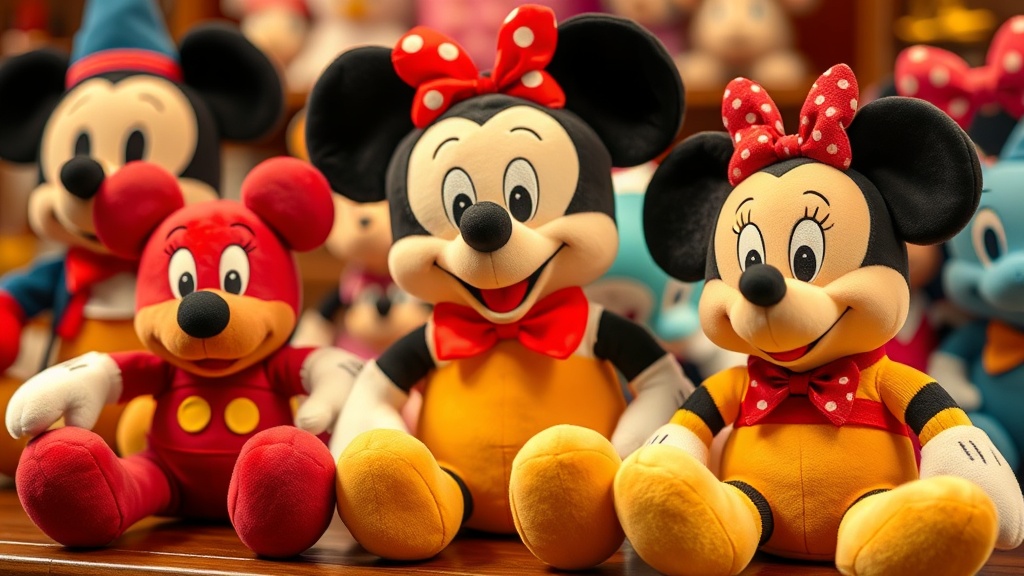
How to Clean and Preserve Your Disney Plush Toys Like a Pro

This post covers the complete process for cleaning and preserving Disney plush toys—from routine surface cleaning to deep restoration of vintage pieces—so collectors can protect their investment and keep every stitch intact. Whether you own a mint-condition Duffy the Disney Bear or a well-loved Simba from the 1990s, the right techniques prevent fading, fiber breakdown, and that dreaded "thrift store" smell. Plush collectibles aren't just toys; they're textile artifacts that react poorly to heat, harsh chemicals, and rough handling. Learning how to treat them properly saves money on professional restoration, keeps resale values stable, and ensures that Limited Release Mickey Mouse plushes stay display-ready for years.
Can You Wash Disney Plush Toys in a Washing Machine?
Yes, but only certain modern Disney plush toys with sewn-in eyes and no electronic components can survive a gentle machine cycle.
Here's the thing: a 2023 Stitch plush from the Disney Store will likely tolerate a cold-water delicate cycle inside a mesh laundry bag. That said, anything with a sound box, light-up feature, or glued-on accessories belongs in the hand-wash-only category. The catch? Even machine-safe plush can develop bald spots if the drum is too crowded or the spin cycle too aggressive. Use a front-loading machine (or a top-loader without an agitator) and a mild detergent like Woolite Delicates or Tide Free & Gentle. Avoid fabric softener—it coats fibers and attracts dust. For collectors in Kelowna or anywhere with hard water, a water softener helps rinsing and prevents mineral buildup on faux fur. If you're unsure about a particular item, the Spruce's guide to washing stuffed animals offers a handy decision tree for machine versus hand washing.
What You'll Need Before You Start
Gathering the right tools before touching a single plush saves time and prevents impulse decisions—like grabbing bleach. Here's a solid starter kit:
- Mild liquid detergent: Woolite Delicates, Tide Free & Gentle, or Dreft work well.
- Microfiber cloths: These lift dirt without snagging fabric.
- Soft-bristle toothbrush: Perfect for embroidered details and paws.
- OxiClean Odor Blasters (optional): A small amount in a soaking bucket neutralizes smells.
- Mesh laundry bags: Grit Guard or similar brands protect plush during machine cycles.
- White towels: For blotting and air-drying support.
- Acid-free tissue paper: Unbuffered, to stuff heads and maintain shape during drying.
- HEPA vacuum with brush attachment: A Dyson V15 or Shark Stratos removes surface dust before wet cleaning.
How Do You Remove Stains from Vintage Disney Plush Without Damaging Them?
The safest approach is spot-cleaning with a mild detergent solution and a soft microfiber cloth, working from the outside of the stain inward.
Vintage Disney plush—think 1990s Lion King plushes or early-2000s Kingdom Hearts exclusives—often uses older adhesives and dyes that bleed when saturated. Water alone can darken fabric permanently. Mix one teaspoon of Woolite into one cup of cool distilled water. Dampen (don't soak) the cloth and blot gently. For ink or marker stains, a tiny amount of textile-safe solvent applied with a cotton swab may lift the pigment, but test it on a hidden seam first. Worth noting: sunlight stains are usually permanent, so prevention beats cure. If a vintage piece has significant staining, consulting a professional conservator through the American Institute for Conservation is often cheaper than replacing a rare item. That said, most surface grime responds well to patience and distilled water—no fancy chemicals required.
Step-by-Step Cleaning Guide
Surface Dust Removal
Start dry. Run a HEPA vacuum with a brush attachment over the entire plush. Work in the direction of the fur pile. For delicate faces, hold the nozzle slightly above the surface to avoid sucking in loose threads.
Spot Cleaning
Address stains before any full wash. Use the blotting method described above. Patience matters—aggressive scrubbing frays fibers and can create bald patches on faux fur.
Machine Washing (Modern Plush Only)
Place the plush inside a mesh laundry bag. Set the machine to cold water, delicate cycle, with a slow final spin. Add half the recommended detergent. Once finished, remove immediately—don't let it sit in the drum where mildew grows.
Hand Washing (Vintage and Delicate Plush)
Fill a clean sink or Rubbermaid tote with cool water and a capful of mild detergent. Submerge the plush fully, then squeeze gently (no wringing). Let it soak for ten to fifteen minutes. Drain and refill with clean water, repeating until no suds remain. The key is gentle pressure; twisting damages internal armatures and seams.
Drying
Never use a dryer. Heat melts synthetic fibers and can shrink cotton stuffing. Lay the plush on a dry white towel in a well-ventilated room away from direct sun. Reshape the body, limbs, and ears while damp. Stuff the head with acid-free tissue paper to prevent collapse. A small Vornado or Honeywell fan on low speed (not aimed directly) speeds drying without heat damage. Large plush toys—like jumbo Mickey Mouse park exclusives—can take two full days to dry completely. Don't rush it. A plush that feels dry on the outside may still hold moisture deep in the stuffing, which leads to mold and that sour smell no collector wants.
What's the Best Way to Store Disney Plush Toys Long-Term?
The best way to store Disney plush toys long-term is inside acid-free plastic bins or cotton muslin bags, kept in a climate-controlled room away from direct sunlight and humidity.
Here's the thing: cardboard boxes attract pests and acids that yellow white plush over time. Ziploc bags trap moisture and encourage mold. For serious collectors, the storage method depends on value, size, and access frequency. A $500 D23 Expo exclusive deserves better treatment than a $12 grocery-store Olaf. For collectors who want to follow strict textile preservation standards, unbuffered acid-free tissue and archival polyethylene bins are the gold standard.
| Storage Method | Best For | Pros | Cons |
|---|---|---|---|
| Acid-free plastic bins (Sterilite or Iris Weathertight) | High-value limited editions, vintage plush | Dust-proof, stackable, protects from UV | Can trap humidity if silica gel isn't used |
| Cotton muslin bags | Medium-value display rotation items | Breathable, prevents dye transfer | Not fully dust-proof |
| Open shelving with glass doors | Active display collections | Easy to admire, good airflow | Requires frequent dusting, UV exposure risk |
| Under-bed fabric organizers | Large seasonal plush, pillow pets | Saves space | Crushing risk, poor ventilation |
For bins, add a few packets of silica gel (not the loose beads) and check them every six months. Store plush flat or lightly supported—never cram pieces on top of each other. That said, if you're in a humid climate like coastal British Columbia, a dehumidifier in the storage room is a smart investment. For pieces kept out on display, 3M Command strips or acrylic risers prevent leaning against walls where color transfer happens. Rotating displayed items every few months also prevents uneven fading from window light.
Common Mistakes to Avoid
Even well-meaning collectors ruin plush toys with a few classic errors. Avoiding these pitfalls keeps collections in top shape and saves both money and heartbreak.
- Using hot water: Heat sets protein-based stains (like juice or spit-up) and shrinks polyester stuffing. Always stick to cool or lukewarm water, even if the tag says warm.
- Spraying perfume or air freshener: Alcohol and oils in fragrances stain fabric and degrade plastic eyes over time. If a plush smells musty, sunning it briefly in indirect light works better than masking odors.
- Ignoring tag instructions: Many park-exclusive plushes have specific care symbols that override general advice. Some are surface-clean only despite looking sturdy.
- Storing in attics or garages: Temperature swings destroy glue and encourage moth activity. Basements are equally risky if humidity isn't controlled.
- Over-washing: Every wash cycle stresses fibers and fades colors. Spot clean when possible and reserve full washes for serious soiling or post-purchase thrift finds.
Taking care of Disney plush toys isn't complicated—it's about patience, the right supplies, and knowing when to stop. A clean, properly stored collection holds value, looks better on display, and brings the same joy years down the line as it did on day one. Whether you're protecting a single Dumbo or an entire shelf of park exclusives, these methods keep the magic intact without a single trip to the dry cleaner. Start with the dustiest piece on the shelf and work forward from there.
Steps
- 1
Inspect and Prep Your Plush Before Cleaning
- 2
Wash Gently Using the Right Method and Materials
- 3
Dry, Fluff, and Store Safely for Long-Term Preservation