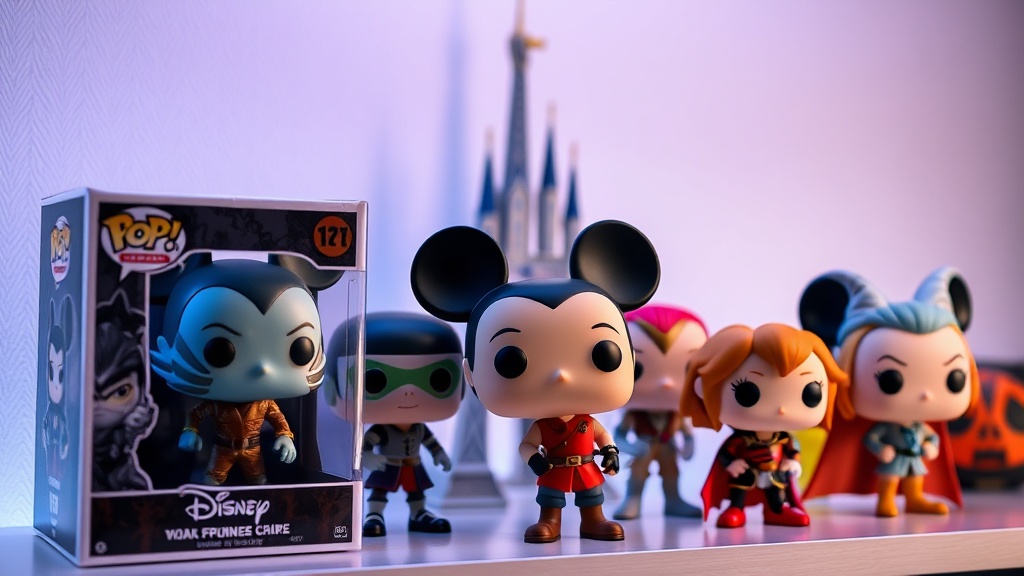
How to Properly Display Your Disney Funko Pop Collection

This guide covers everything needed to transform a cluttered pile of Disney Funko Pops into a museum-worthy display that protects the figures while showcasing their charm. Whether the collection numbers ten pieces or ten hundred, proper display techniques prevent damage from dust, sunlight, and mishandling while turning a hobby into a visual centerpiece any guest will notice.
What's the Best Way to Display Funko Pops Without Damaging Them?
The best approach combines protective storage with strategic positioning away from environmental hazards. Disney Funko Pops feature intricate paint applications and delicate vinyl construction that deteriorate rapidly under the wrong conditions.
Protective Cases: The First Line of Defense
Stacking boxes works for a while. Eventually, though, the cardboard creases, the plastic windows scratch, and that pristine condition drops from "mint" to "acceptable." PopShield protectors from 7 Bucks a Pop offer acid-free PET plastic that slides over the standard box without adding bulk. For out-of-box collectors, acrylic display cases from brands like BCW or Ultra Pro shield figures from dust while keeping them fully visible.
The catch? Not all cases fit every Pop size. Standard 4-inch figures slide into most universal protectors, but super-sized Pops—the 10-inch Baby Yoda or 6-inch Beast—need specialized sizing. Measure twice, buy once.
Environmental Controls That Actually Matter
Sunlight destroys collectibles. UV rays fade the vibrant colors that make Disney Pops so appealing—that Ariel purple, that Elsa blue, that classic Mickey red. Position displays away from windows, or invest in UV-filtering glass for any cabinet near natural light sources.
Temperature fluctuations cause vinyl to expand and contract, eventually leading to leaning or warping. Ideal storage sits between 65-75°F with humidity below 50%. Basements and attics? Terrible choices unless climate-controlled. A dedicated display room or living area corner works far better.
How Do You Display Funko Pops in a Small Space?
Vertical storage solutions and multi-tiered displays maximize limited square footage while keeping the entire collection visible and accessible.
Wall-mounted shelves transform empty vertical real estate into gallery space. IKEA's MOSSLANDA picture ledges—normally $10-15—hold three to four standard Pops per shelf and install in minutes. Arrange them in staggered formations (one high, one low, one high) to create visual interest without overwhelming the wall.
Here's the thing about small spaces: clutter accumulates fast. The "one in, one out" rule prevents overcrowding. For every new Disney Pop added, consider retiring one to storage or rehoming it entirely.
Creative Small-Space Solutions
Corner floating shelves use often-wasted angles. Rotating display stands—like those from Pioneer Plastics—let you showcase 8-12 figures in a footprint smaller than a dinner plate. Stackable acrylic risers create tiered arrangements on bookshelves, ensuring no figure hides behind another.
For the truly space-constrained, consider a "featured rotation" system. Display 20-30 favorite Disney Pops prominently, storing the remainder in protective totes. Swap them monthly. This keeps the display fresh without requiring additional square footage.
| Display Option | Capacity | Space Required | Best For |
|---|---|---|---|
| IKEA DETOLF Cabinet | 40-60 Pops | 16" x 16" footprint | Out-of-box display |
| MOSSLANDA Picture Ledges | 3-4 per shelf | Wall space only | In-box, room-by-room |
| Acrylic Stair Risers | 6-12 per tier | Shelf surface | Mixed collections |
| baseball bat display case | 8-12 Pops | Wall mounting | Themed groupings |
Should You Keep Disney Funko Pops in the Box or Display Them Out?
This decision depends entirely on collecting goals, available space, and personal preference—there's no universal right answer, only trade-offs to consider.
In-box collectors preserve resale value and protect against dust, fingerprints, and accidental drops. Disney Pops often appreciate significantly—limited releases like the original Disneyland 65th Anniversary set or various Convention exclusives command premium prices only when sealed. The box condition matters as much as the figure itself.
That said, out-of-box display reveals details hidden by packaging. The sculpt work on characters like Stitch (626 form) or the Haunted Mansion's Hatbox Ghost simply doesn't read through plastic windows. You see the full 360-degree design, the bases, the accessories.
Hybrid Approaches Worth Considering
Many collectors split the difference. Keep rare or valuable Disney Pops sealed—your SDCC exclusives, your limited edition releases, your vaulted figures. Display common retail releases out of box. This balances investment protection with aesthetic enjoyment.
Worth noting: the "stacking" problem. Boxed Pops nest neatly, consuming minimal space. Loose figures need individual stands or positioning to prevent toppling. A collection of 100 boxed Pops fits in a closet. The same collection loose requires serious shelf real estate.
How Do You Light a Funko Pop Display Properly?
Proper lighting transforms a shelf of vinyl figures into an eye-catching showcase, but heat and UV emissions from the wrong fixtures cause irreversible damage.
LED strip lights provide ideal illumination. They emit virtually no heat, consume minimal electricity, and come in color temperatures that enhance rather than distort the figures' paint applications. Warm white (2700-3000K) brings out the richness of classic Disney characters; cool white (4000-5000K) complements modern properties like Frozen or Encanto.
Philips Hue and Govee both offer app-controlled LED systems with adjustable colors—useful for themed displays. Bathe your Nightmare Before Christmas collection in orange and purple. Light your Little Mermaid section in ocean blue. The customization adds theatrical impact.
Positioning for Maximum Effect
Top-down lighting creates harsh shadows under the oversized heads that define Funko Pops. Backlighting or front-sidelighting works better, illuminating the face and details evenly. For glass cabinets, position strips along the interior top frame, angled slightly forward.
Avoid halogen or incandescent bulbs entirely. The heat they generate warps vinyl over time. Sunlight—difficult as it is to control—remains the worst offender. Even brief daily exposure fades boxes and figures within months.
Creative Theming and Arrangement Strategies
Random placement wastes the storytelling potential inherent in Disney's vast catalog. Grouping figures by franchise, character arc, or color creates cohesive visual narratives.
Chronological arrangements tell stories. Position Snow White (1937) leading through decades of animation history to modern releases like Raya or Mirabel. Visitors trace Disney's evolution as a studio while admiring individual figures.
Character-focused groupings celebrate depth. A Mickey Mouse section might include Steamboat Willie, Sorcerer's Apprentice, Kingdom Hearts, and contemporary designs—eight decades of the same icon. Disney Princess collections benefit from this approach, showing stylistic shifts from hand-drawn classics to CGI modernism.
Seasonal Rotation Keeps Displays Fresh
The Disney catalog spans every holiday and season. Halloween displays feature Hocus Pocus, Nightmare Before Christmas, and villain assortments. Winter calls for Frozen, Beauty and the Beast's Christmas scenes, and Mickey's holiday variants. Rotating displays quarterly prevents visual fatigue and gives reason to handle (carefully!) different parts of the collection regularly.
Here's the thing about arrangement: stability matters. Use museum putty or small adhesive dots to secure figures on shelves, especially in earthquake-prone regions or homes with pets. A cat's tail or a child's curious hand can devastate an unsecured display.
Maintenance Routines That Protect Investment
Dust settles constantly. Vinyl attracts it. Monthly maintenance—with the right technique—prevents buildup that eventually requires aggressive cleaning (and risks damage).
Compressed air works for loose figures, blowing dust from crevices without contact. For boxed Pops, microfiber cloths lightly dampened with distilled water clean plastic windows without scratching. Never use paper towels (too abrasive) or household cleaners (chemical reactions with vinyl).
That said, handling should be minimal. Oils from skin transfer to vinyl and boxes alike. When moving figures, hold them by the base or wear cotton gloves. The Pop Price Guide community documents countless "mint" figures devalued by fingerprints on the plastic window.
Inventory management scales with collection size. Spreadsheet tracking—or apps like Funko App—records purchase dates, prices, and current values. For serious collectors, this documentation proves invaluable for insurance purposes. A comprehensive Disney collection easily represents thousands of dollars in vinyl and cardboard.
The final consideration? Enjoyment. Collecting Disney Funko Pops connects fans to childhood memories, to park visits, to films that shaped popular culture. The perfect display isn't the one that impresses Instagram followers or fellow collectors—it's the arrangement that makes the owner smile every time they walk past.
Steps
- 1
Choose the Right Shelving for Your Space
- 2
Protect Figures from Dust and Sunlight
- 3
Arrange Your Collection by Theme or Series