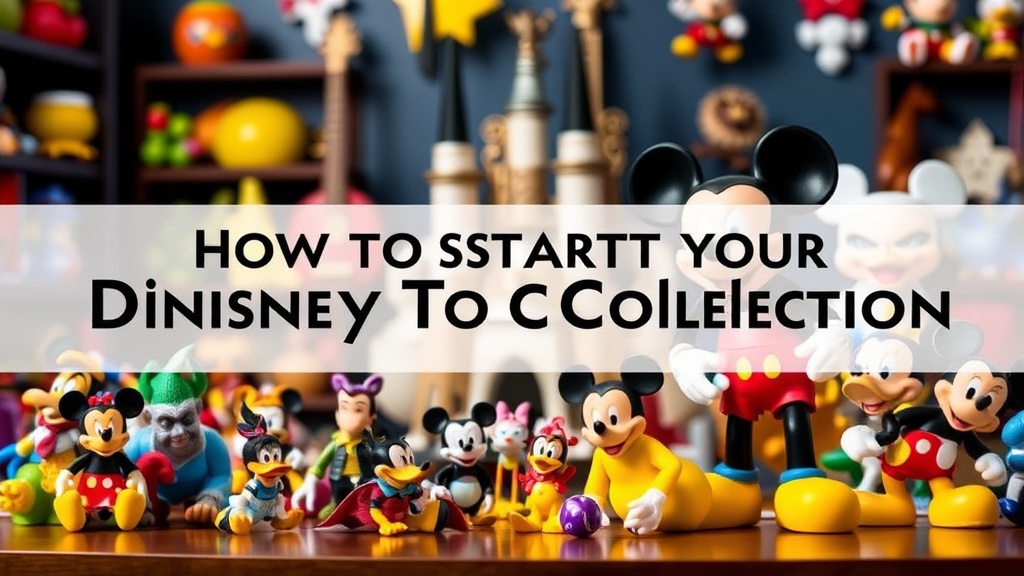
How to Start Your Disney Toy Collection: A Complete Beginner's Guide

This guide walks through everything needed to launch a Disney toy collection — from choosing a focus and setting a budget to finding authentic pieces and displaying them properly. Whether drawn to classic characters or limited-edition releases, beginners often feel overwhelmed by decades of merchandise. The good news? Starting small and smart beats rushing into expensive mistakes.
What Disney Toys Should Beginners Collect First?
Start with items that genuinely spark joy — not what social media claims is "hot" right now. Funko Pop! Disney figures remain the most accessible entry point. They're affordable, widely available, and cover nearly every character from Mickey Mouse to obscure Robin Hood side characters. A standard Funko Pop! runs $12-15 at retailers like Target or GameStop.
Disney Store plush offers another forgiving starting category. The quality beats generic stuffed animals, and annual releases like the Disney100 anniversary collection hold steady value. That said, avoid grabbing every plush in sight — storage fills up fast.
For those wanting display-worthy pieces, LEGO Disney sets deliver satisfaction. The Disney Castle set (43222) stands as a centerpiece — though at $400, it's not a beginner purchase. Smaller sets like the Up house or Walt Disney Tribute Camera (43230) cost $55-100 and build skills without breaking budgets.
Here's the thing: collections grow chaotic without boundaries. Pick ONE focus area first:
- Character-specific: Everything Stitch, everything Elsa, everything Nightmare Before Christmas
- Format-specific: Only pins, only vinyl figures, only die-cast vehicles
- Era-specific: Renaissance-era films (1989-1999), Pixar classics, live-action remakes
- Maker-specific: Jim Shore figurines, Precious Moments Disney, Madame Alexander dolls
The catch? Chasing "complete sets" drains wallets fast. Disney releases variants constantly — metallic finishes, flocked textures, convention exclusives. Better to own twenty pieces that mean something than two hundred random items gathering dust.
How Much Does It Cost to Start a Disney Toy Collection?
A modest collection starts at $100-200 annually. Serious collectors spend $1,000+ yearly. The difference isn't income — it's discipline around budgeting, spotting deals, and avoiding impulse purchases.
Below is a realistic breakdown by commitment level:
| Budget Tier | Annual Spending | What That Buys | Best Categories |
|---|---|---|---|
| Casual | $100-300 | 1-2 mid-range pieces quarterly or monthly small items | Funko Pops, mystery pins, small plush |
| Enthusiast | $500-1,000 | Quarterly premium pieces, convention exclusives, limited releases | LEGO sets, Jim Shore figurines, Loungefly bags |
| Serious | $2,000+ | Grail pieces, vintage acquisitions, D23 Expo exclusives | Vinylmation chases, animator dolls, rare plush |
Worth noting: the "hidden" costs surprise beginners. Protective cases for Funko Pops run $1-2 each. Display shelves, acrylic risers, UV-protective glass — these add up. Even dusting supplies matter; microfiber cloths and compressed air protect delicate paint applications.
Smart collectors set a monthly "fun money" limit. When something sells out, another opportunity always surfaces. The Disney collectibles market never stops producing — patience rewards those who wait for the right piece at the right price.
Where Can You Find Authentic Disney Collectibles?
Primary sources include shopDisney (Disney's official online store), physical Disney Store locations, and authorized retailers like BoxLunch, Hot Topic, and Barnes & Noble. For retired or vintage pieces, eBay, Mercari, and Facebook collector groups dominate — though buyer vigilance matters immensely.
Counterfeits flood the secondary market. Spotting fakes requires attention to detail:
- Packaging quality: Blurry printing, misspelled words, or flimsy cardboard signal reproductions
- Paint application: Authentic Disney Store plush has clean stitching and consistent dye lots
- Edition sizes: Limited editions typically number 500-5,000 pieces; "limited" claims without specifics raise red flags
- Seller reputation: Check feedback scores, request additional photos, and verify return policies
Local options deserve exploration. Kelowna's vintage shops occasionally surface unexpected treasures — though Disney specifically travels far from home. Thrift stores in vacation towns (Orlando, Anaheim) yield better finds than average locations. Estate sales in retiree-heavy regions sometimes reveal collections built over decades.
Conventions offer unmatched opportunities. D23 Expo (Disney's official fan event) drops exclusive merchandise impossible to find elsewhere. Comic-Cons host Funko and Loungefly booths with convention-only colorways. The atmosphere tempts overspending — set hard limits before entering.
How Should You Display and Protect Your Collection?
Proper display transforms toys into a curated gallery. Dust destroys value; sunlight fades colors; cramped storage damages delicate pieces. The solution isn't expensive — it's intentional.
Display cases from IKEA (DETOLF glass cabinets at $70) or Target (Room Essentials shelves) work beautifully. For smaller collections, acrylic risers create visual hierarchy without major investment. LED strip lighting (avoid heat-emitting bulbs) adds dramatic effect for under $20.
Environmental factors matter more than most realize. Direct sunlight bleaches plush and fades box art within months. Humidity warps cardboard and encourages mold on fabric items. Ideal conditions: room temperature, low humidity, minimal light exposure. Silica gel packets in storage boxes combat moisture.
For high-value pieces, documentation protects investments. Photograph items with date stamps. Keep original packaging — even damaged boxes add 20-30% resale value. Maintain a simple spreadsheet tracking purchase dates, prices, and provenance. Insurance riders covering collectibles become worthwhile once collections exceed $5,000 in value.
Collecting Disney toys connects fans to childhood memories, artistic craftsmanship, and a global community of enthusiasts. Start small. Buy what resonates. Display with pride. The journey matters more than completing any checklist — and the hunt for that next perfect piece never really ends.
Steps
- 1
Choose Your Collection Focus
- 2
Research and Set a Budget
- 3
Find Reputable Sellers and Authenticate