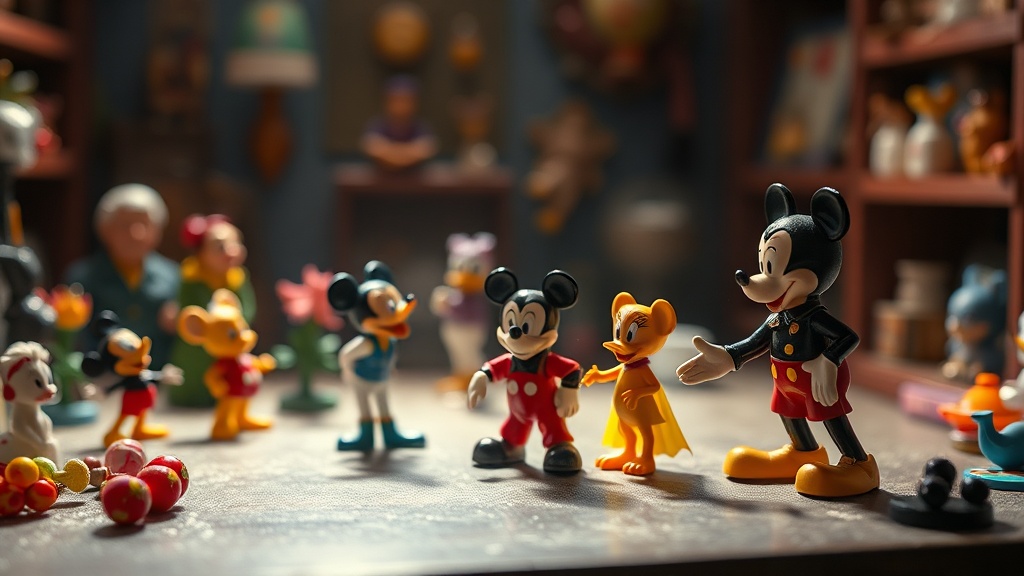
Maintaining Plastic Integrity for Vintage Disney Figures

What You'll Learn About Preserving Plastic Quality
This guide covers the specific methods for maintaining the structural integrity of vintage Disney plastic figures and preventing common issues like "sticky plastic" or discoloration. You'll learn how to manage environmental factors, handle chemical reactions in aging polymers, and apply cleaning techniques that won't damage delicate paint applications. Protecting your collection starts with understanding the chemistry of the materials themselves.
Why Do Vintage Disney Toys Become Sticky?
If you've ever picked up a vintage Disney figurine only to find it feels tacky or even slightly melted, you aren't imagining things. This is a common phenomenon where plasticizers—chemicals added to make plastic more flexible—begin to migrate to the surface. This often happens with certain types of PVC (polyvinyl chloride) or older rubber-based materials. As these chemicals leach out, the surface becomes a magnet for dust and even more grime, creating a cycle of degradation.
Environmental heat is the primary culprit here. If your collection sits in a room with fluctuating temperatures—like an attic or a sun-drenched living room—the heat accelerates this chemical migration. To slow this down, you'll want to keep your display cases in temperature-controlled environments. Even a small change in ambient air temperature can trigger a reaction in older, more volatile plastics. You can find more technical details on polymer degradation via scientific resources like ScienceDirect, though for most collectors, knowing to keep things cool is enough.
Common Triggers for Plastic Degradation
- Direct Sunlight: UV rays break down molecular bonds in many types of plastic.
- Humidity: High moisture levels can lead to mold growth on any organic components or even degrade the structural integrity of certain coatings.
- Chemical Exposure: Using the wrong cleaning agents can strip away the finish or react with the plastic itself.
How Can I Clean My Disney Figures Safely?
The biggest mistake collectors make is using harsh household cleaners. Never, under any circumstances, use alcohol-based wipes or heavy solvents on your Disney figures. Alcohol can dissolve the finish on many older toys, leaving them looking dull or even stripping the paint entirely. Instead, stick to a very gentle approach. A soft-bristled brush—think a high-quality makeup brush or a dedicated artist's brush—is your best friend for removing dust from crevices.
For more stubborn grime, a damp microfiber cloth is the standard. The cloth should be barely damp, not soaking wet. If you're dealing with a figure that has a bit of surface residue, a very diluted solution of mild, pH-neutral soap and water works. Avoid anything with fragrances or heavy dyes. If you're unsure about a specific material, it's always better to do a tiny, inconspicuous test on the bottom of a foot or a base before committing to the whole piece. You can check the material composition of many modern collectibles through the Toy Association to understand what you're working with.
When drying, don't rub the figure aggressively. Instead, blot the area with a clean towel. Friction from a dry cloth can actually cause micro-scratches on softer plastics over time. If you're working with a high-end collectible, patience is the key. Let it air dry in a shaded area rather than using a hair dryer or any heat source, which can warp the shape of the figure.
Is It Possible to Fix Discolored Plastic?
Discoloration, often called "yellowing," is a frequent issue with white or light-colored vintage Disney figures. This is usually caused by the breakdown of bromine-based flame retardants or simply long-term exposure to UV light. While you can't truly "reverse" the aging of the plastic, there are methods to manage the appearance. Some collectors use a process known as "Retrobrighting," which involves using hydrogen peroxide and UV light to bleach the yellowed surface. However, this is a high-risk method and can be unpredictable.
Before attempting any chemical treatment, you must understand that you are working with a permanent change to the object. If the figure has a high resale value, any attempt to change its color could actually decrease its value by altering its original state. For most of us, the best way to handle discoloration is prevention. Keeping your figures behind UV-resistant acrylic or glass cases is the most effective way to ensure that the white of a Minnie Mouse dress or a white Mickey gloved hand stays bright for years to come.
A Quick Reference for Cleaning Methods
| Issue | Safe Method | Avoid This |
|---|---|---|
| Dusting | Soft brush or compressed air (low pressure) | Rough cloth or heavy scrubbing |
| Sticky Surface | Mild soap/water or specialized plastic cleaner | Alcohol or acetone |
| Surface Scratches | Avoid cleaning the area | Polishing compounds |
| Fingerprints | Damp microfiber cloth | Paper towels (can be abrasive) |
Managing a collection is a long-term commitment. Whether you're holding a mint-in-box figure or a loose piece with some character, the goal is stability. By controlling the air, the light, and the way you touch your items, you're essentially freezing time. This isn't just about keeping things pretty; it's about preserving the physical history of the objects we love. A well-maintained collection is a testament to the care of the collector, and it ensures that these pieces remain in top form for the next generation of enthusiasts.