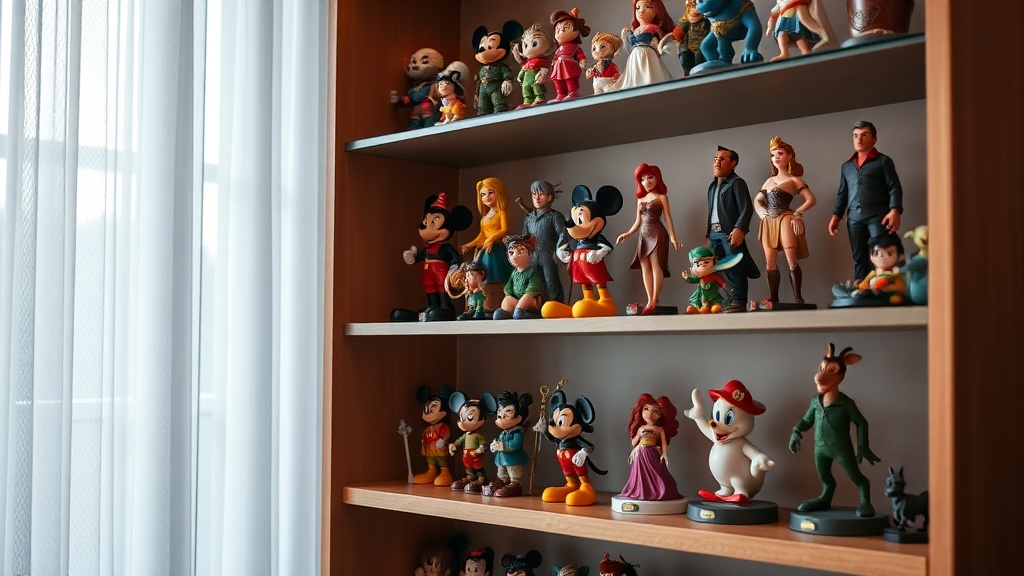
Selecting the Right Display Shelving for Your Disney Figure Collection

Did you know that a single poorly placed light source or a flimsy shelf can actually decrease the market value of a high-end collectible by up to 30% within just a few years? When you're dealing with premium Disney figures—whether they're limited edition porcelain or high-end vinyl—the environment they sit in is just as important as the figure itself. This post covers the specific methods for choosing, measuring, and installing shelving systems that keep your collection safe, visible, and structurally sound.
Choosing a display isn't just about finding a place to put things; it's about creating a controlled environment. If you pick a shelf that's too shallow, your figures might tip over. If you pick one that's too deep, you'll end up with a dark, dusty cavern in the back where your rarest pieces go to die. We're looking at how to match your specific figure scale to the physical constraints of shelving units.
How do I choose between floating shelves and bookcases?
This is the first question most collectors ask when they outgrow their initial display. Floating shelves offer a clean, modern look that makes your figures feel like they are part of the room's architecture. They're great for small, curated sets of figures—think of a single high-end piece from a specific series. However, they have limitations. You can't easily adjust the height once they're mounted, and you're limited by the weight capacity of your wall studs.
Bookcases, on the other hand, are the workhorses of the collecting world. They offer much more stability and, more importantly, they allow for a vertical stack of different scales. If your collection includes both 6-inch articulated figures and 12-inch statues, a bookcase provides the structure needed to organize these different heights. You'll want to look for units with adjustable shelving. This flexibility is a lifesaver when a new, larger piece arrives in the mail and you realize your current shelf height is two inches too short.
When selecting a bookcase, always check the weight rating per shelf. A heavy resin statue from a premium line can weigh several pounds—not just the figure, but the weight of the shelf itself matters when you have ten of them lined up. A cheap particle-board shelf will bow under the weight over time, which is a nightmare for any serious collector.
What depth and height do my figures actually need?
One of the biggest mistakes I see is collectors buying shelves based on aesthetics rather than the physical dimensions of their collection. To do this right, you need to measure your largest piece—not just the figure, but the base too. A figure might only be 5 inches tall, but a circular display base might extend to 8 inches. If your shelf is only 6 inches deep, that base is going to hang off the edge, creating a tipping hazard.
- Standard 6-inch figures: Look for a shelf depth of at least 8-10 inches to allow for breathing room and any potential accessories.
- Large Scale Statues: These often require a depth of 12-15 inches and much higher clearance between shelves.
- Acrylic Risers: If you have a shallow shelf, use acrylic risers to create levels. This adds depth without needing a wider shelf.
Height is equally important. If you're placing figures in a glass-fronted cabinet, ensure there is at least two inches of clearance above the tallest figure. This prevents the figure from looking cramped and allows you to reach in to adjust poses or clean the figure without hitting the top of the enclosure. You can find excellent measurement tools and standard sizing guides at sites like IKEA, which is a go-to for many collectors looking for affordable modular systems.
Measuring for Success
Before you spend a dime, grab a tape measure. Map out your collection on a piece of paper. Group them by height. This becomes your blueprint. If you have a lot of "short" figures, you can use a tiered approach. If you have a lot of "tall" figures, you'll need to prioritize vertical space. Don't forget to account for the thickness of the shelving material itself. A 1-inch thick wood shelf takes up more vertical space than a 0.5-inch glass pane.
Should I use glass or acrylic for my display cases?
This is a debate that never ends in the community. Glass is the traditional choice. It's incredibly clear, and it's much harder to scratch than acrylic. If you want a high-end, museum-style look, glass is the way to go. However, glass is heavy and can be a safety concern if a shelf fails. It also requires more frequent cleaning, as fingerprints and dust show up instantly on a glass surface.
Acrylic (often called Plexigiglass) is much lighter and more shatter-resistant. This makes it a great choice for wall-mounted displays where weight is a concern. The downside? It's a magnet for micro-scratches. If you're constantly wiping down your shelves with a cloth, you might find that your acrylic-based display starts looking cloudy over time. If you choose acrylic, make sure you're using a dedicated plastic cleaner, not a general-purpose glass cleaner, to avoid clouding the material. You can check the material properties and durability of various display materials through professional organization sites like the American Alliance of Museums to understand how professional-grade materials differ from consumer-grade ones.
| Material | Pros | Cons |
|---|---|---|
| Tempered Glass | Highly clear, scratch-resistant, heavy-duty feel. | Heavy, fragile if hit, shows fingerprints. |
| Acrylic | Lightweight, shatter-resistant, easier to install. | Prone to scratches, can become cloudy. |
| Solid Wood | Durable, classic aesthetic, great for heavy items. | Can look "clunky" for modern-style figures. |
Ultimately, your choice should depend on your collection's weight and your personal aesthetic. If you have a collection of heavy, high-end resin pieces, you'll want the structural integrity of wood or heavy-duty tempered glass. If you're a fan of lightweight vinyl figures and want a more minimalist look, acrylic might be your best bet.
Remember, your display is the stage for your collection. It's the first thing people see when they walk into your room. Whether you choose a sleek, floating shelf or a massive, multi-tiered bookcase, make sure it's a choice that prioritizes the safety and longevity of your Disney figures. A well-planned display doesn't just look good—it preserves the value and beauty of the items you love.