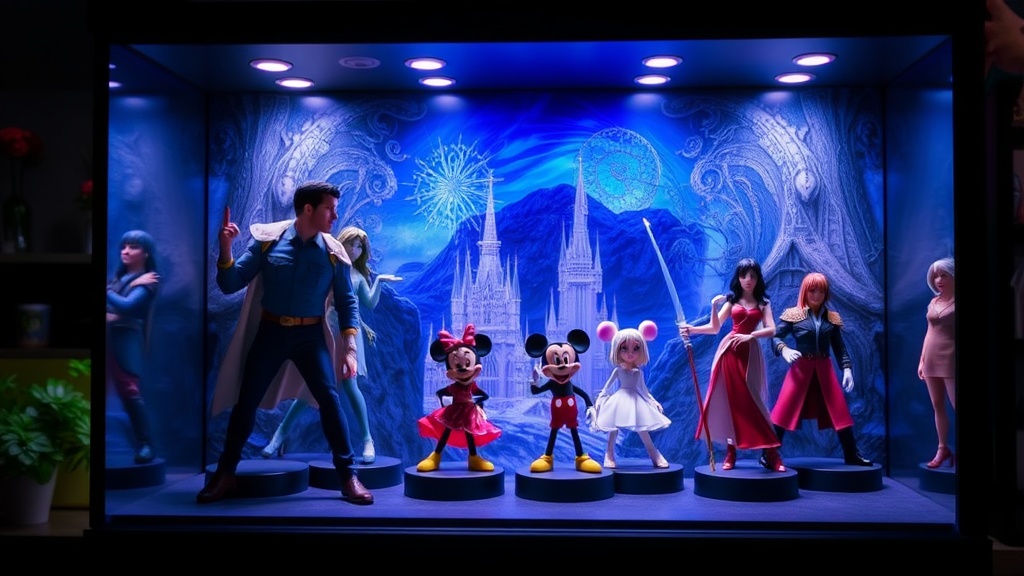
Setting Up a Professional Display Case for Disney Figures

Why does the right display setup matter for your collection?
Have you ever looked at a shelf of Disney figures and felt like they just looked... cluttered? It isn't just about having enough space; it's about how you present them. A well-organized display doesn't just keep your figures safe from dust—it turns a pile of plastic into a curated exhibit. When you invest in high-end pieces, from limited edition pins to intricate vinyl figures, the way they are positioned affects their perceived value and your enjoyment of them. This guide focuses on the practicalities of building a display system that works for your specific space and budget.
Most collectors start with a simple bookshelf or a glass cabinet, but as the collection grows, the lack of a plan becomes obvious. You might find yourself struggling with visibility or, worse, realizing your display is actually causing damage to the figures through poor airflow or heat buildup. We're looking at the mechanics of arrangement, the types of enclosures available, and how to avoid common mistakes that ruin a good-looking setup.
What are the best types of display cases for collectors?
Choosing a case depends heavily on what you collect. A heavy, die-cast metal figure has different needs than a lightweight, hollow vinyl figure. Generally, you'll choose between three main paths: open shelving, glass cabinets, or individual acrylic boxes.
- Acrylic Display Boxes: These are great for single, high-value items. They offer 360-degree visibility and keep the figure completely isolated from dust.
- Glass Curio Cabinets: These are the gold standard for large collections. Brands like IKEA are popular because they offer modularity, but you have to be careful about the internal lighting.
- Open Shelving with Acrylic Risers: This is a cost-effective way to create depth. By using risers, you ensure that figures in the back aren't hidden by those in the front.
If you're looking for specific dimensions to ensure your figures fit, checking the official Disney merchandise guidelines for various figure lines can help you plan your shelf heights. A common mistake is buying a case that is too short, which forces you to crowd the figures, often leading to paint transfer or scratches.
How do I organize figures for better visibility?
Organization isn't just about grouping by character; it's about creating a sense of hierarchy and depth. If you line everything up in a single row, the ones in the back are essentially wasted. I recommend using a tiered approach. This means using a "stadium seating" method where the back rows are physically higher than the front rows.
You can create this effect using acrylic steps or even small wooden blocks-just make sure they're stable. Grouping by color or "era" can also make a collection feel more cohesive. For instance, grouping 1990s Disney Renaissance figures together creates a specific visual theme that is much more striking than a random assortment. If you're worried about the weight of your collection, remember that heavy figures should always be placed on the lowest, sturdiest shelves to maintain the center of gravity for your furniture.
| Display Method | Pros | Cons |
|---|---|---|
| Acrylic Risers | Excellent depth and visibility | Can be expensive for large sets |
| Glass Cabinets | Protects from dust and pets | Requires careful lighting management |
| Open Shelving | Cheapest option | High dust accumulation |
Is lighting important for my Disney figure display?
Lighting is the most misunderstood part of collecting. People think more light is better, but that's a mistake. Too much light, especially direct sunlight or high-heat bulbs, can degrade plastic and fade paint. If you're using a glass cabinet, stick to LED strips or puck lights. LEDs are cool to the touch and don't emit the UV rays that can ruin a vintage figure's finish.
When placing your lights, don't point them directly at the faces of the figures. Instead, aim them at the back or sides to create a soft, ambient glow. This prevents harsh shadows and prevents that "cheap" look where the light is blindingly bright in one spot and dark in another. For professional-grade advice on lighting temperature, the Department of Energy has great resources on how different light sources affect indoor environments.
One thing to watch out for is the "hot spot" effect. If you use a light that is too close to a figure, the heat can actually soften the plastic over time, especially in warmer climates like Kelowna during the summer. Always check the temperature of your display case after the lights have been on for an hour. If it feels warm to the touch, you've got a problem that needs a solution immediately.
Lastly, consider the background. A plain white or black background is usually the safest bet. A cluttered background distracts from the figure itself. If your display case has a mirrored back, it can add a sense of depth, but it can also double the amount of light hitting the figure, which might increase the risk of UV exposure. Experiment with different backdrops—even a simple piece of colored cardstock can change the entire look of a display without costing a dime.