The One Trick Disney Collectors Use to Spot Valuable Toys Before Everyone Else

If you spend enough time around Disney collectors, you start to notice something: the people who consistently find valuable pieces aren’t just lucky. They’re looking for one specific signal that most buyers overlook.
This isn’t about memorizing every rare release or chasing hype drops. It’s about recognizing manufacturing context—the subtle clues that tell you a toy had a limited run, a unique production story, or an overlooked variation.
The Quick Tip (What Actually Matters)
Always check for production anomalies and short-run indicators—before you check price.
Most collectors start with resale value. That’s backwards. The real edge comes from spotting why something might become valuable before the market catches on.
When you train your eye for production clues, you stop competing with everyone else scrolling listings—and start finding pieces sitting unnoticed on shelves.
What Counts as a Production Clue?
These are the signals that separate a standard Disney toy from one that collectors quietly chase.
1. Limited Distribution Regions
Toys released only in certain parks, countries, or events tend to stay under the radar longer. Think Tokyo Disney exclusives or short-lived park anniversary items.
2. Packaging Variations
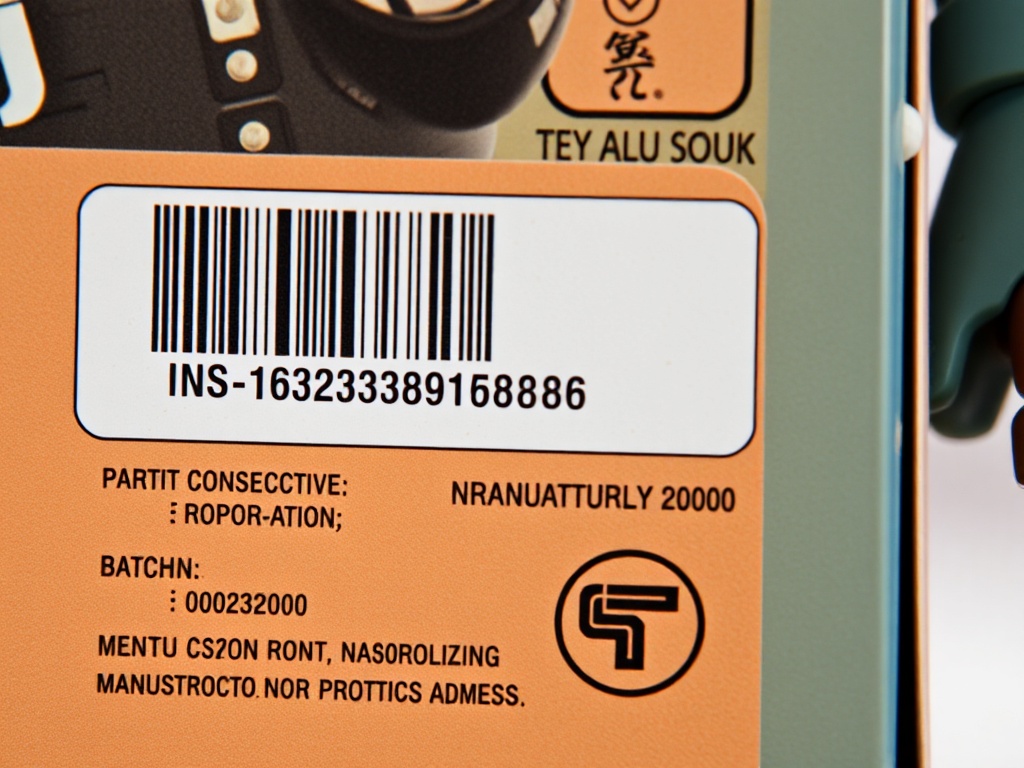
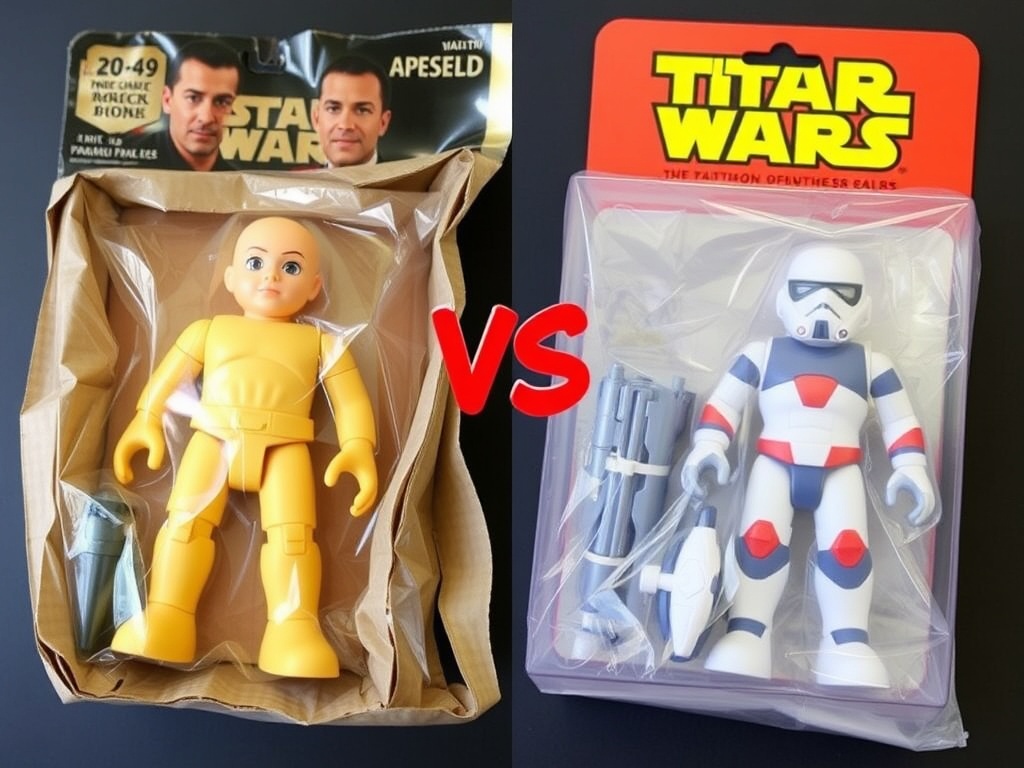
A small logo change, a different font, or even a color shift in the backing card can signal a different production batch. These variations often go unnoticed—and undervalued.
3. Early Production Runs
First runs sometimes have quirks: sharper paint, different materials, or slightly altered molds. Later versions are often standardized and less desirable.
4. Manufacturing Errors
Misprints, paint defects, or swapped accessories can turn an ordinary figure into something collectors actively hunt.
5. Discontinued Lines
When Disney quietly cancels a toy line, the remaining stock becomes finite overnight. These are the moments where value starts forming.
How to Train Your Eye (Fast)
You don’t need years of experience to start spotting these signals. You need a system.
Compare Before You Buy
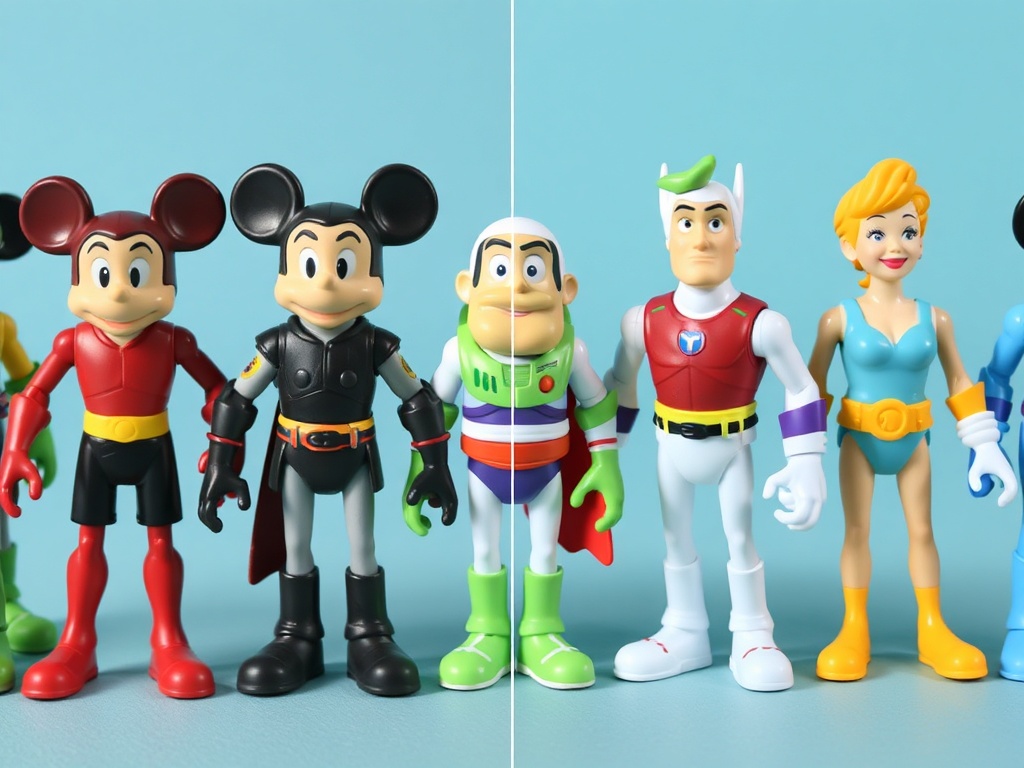
Pull up two listings of the same toy and look for differences. Packaging. Paint. Accessories. You’ll start noticing patterns within minutes.
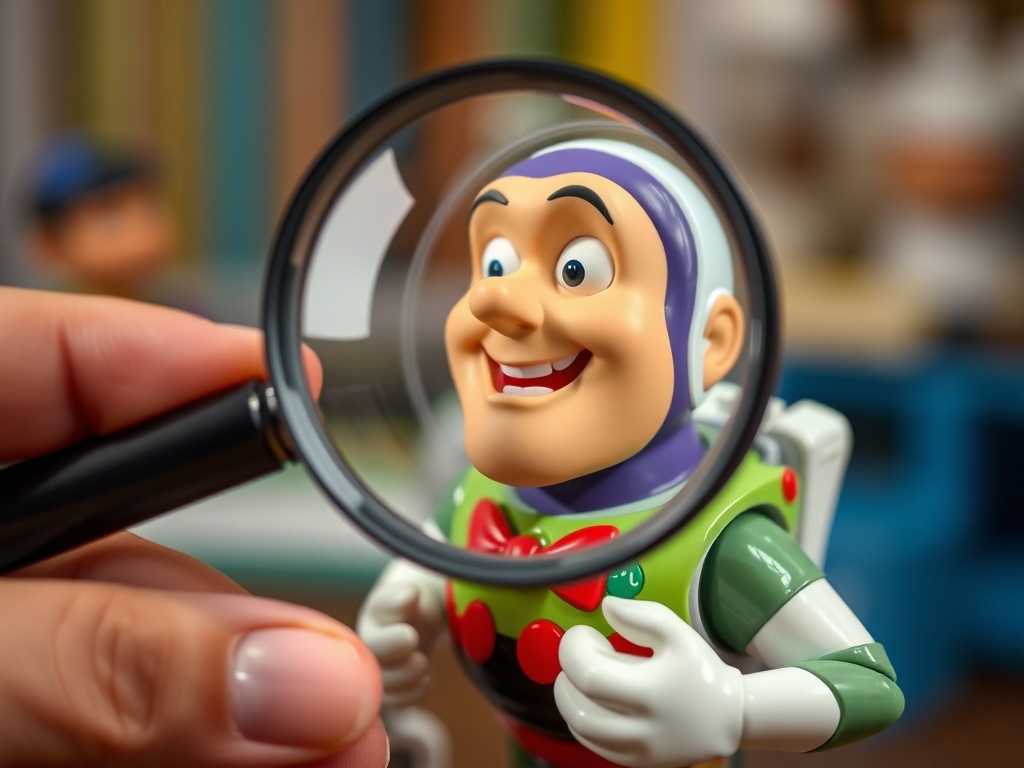
Zoom Into the Boring Parts
The most valuable information is often in the least exciting places: tiny print, stamps, and batch numbers.
Follow the Odd Ones
If something looks slightly “off,” don’t dismiss it. That’s usually where the opportunity is.
Why Most Collectors Miss This
Because it’s not flashy.
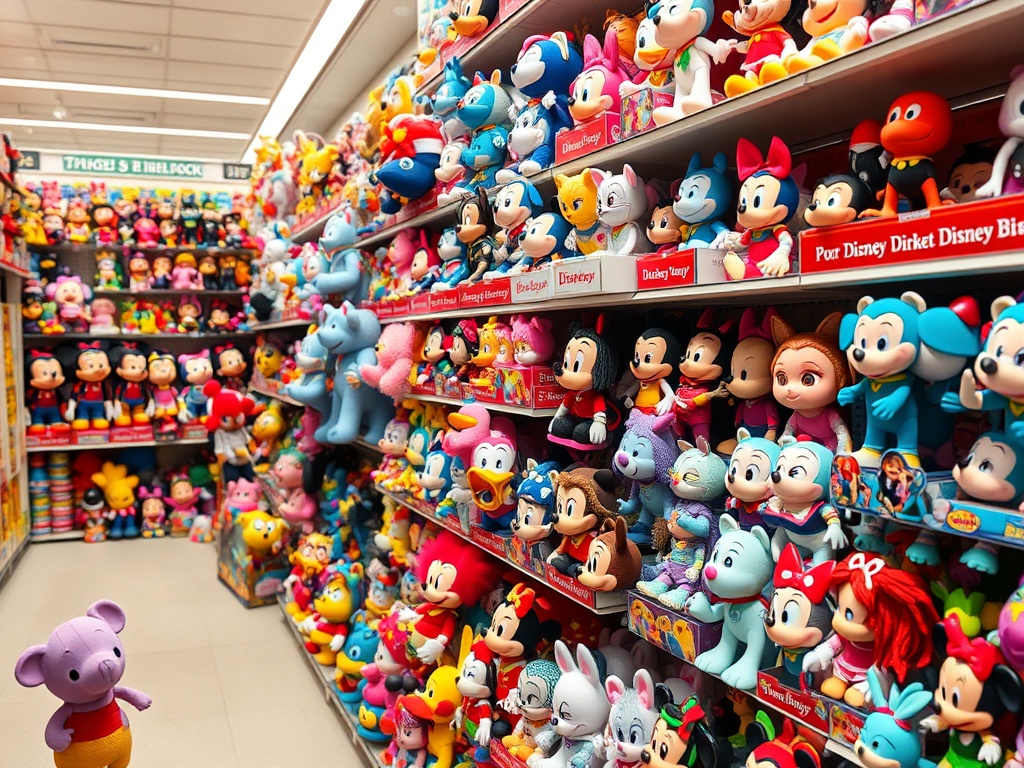
Hype is easy to follow. Everyone knows when a new Disney release drops or when a figure trends online. But production details require attention—and patience.
Most buyers are scanning for price drops. Very few are scanning for signals.
That’s why this works.
Real-World Example
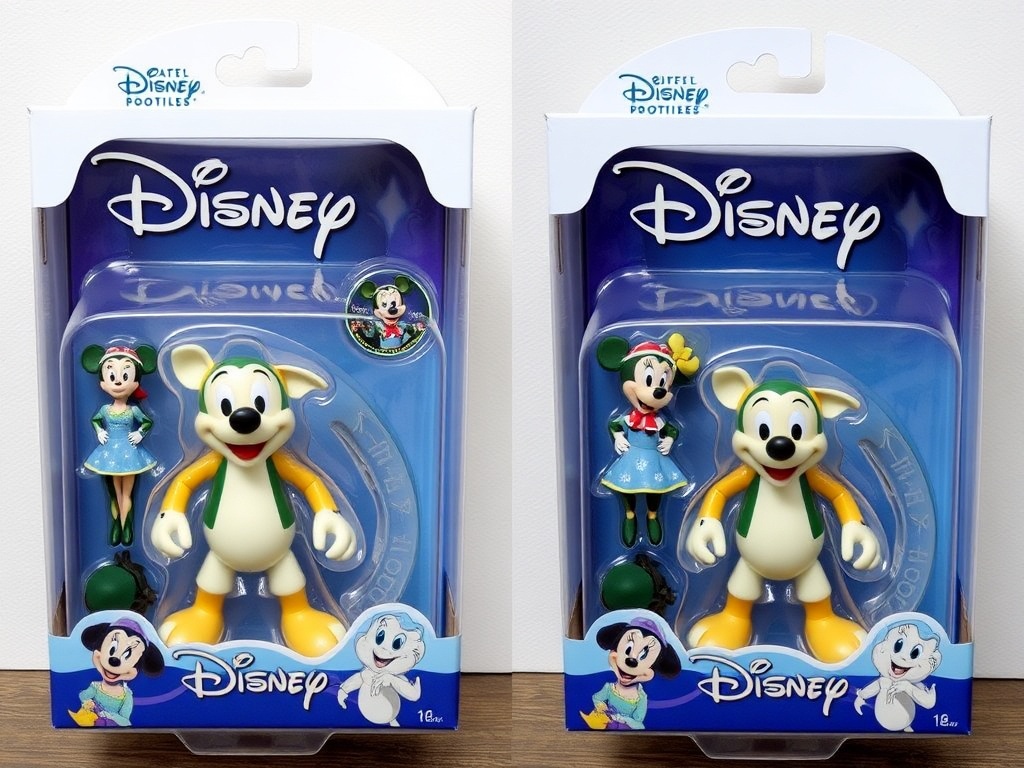
A few years back, a small batch of park-exclusive figures had a minor packaging variation—slightly different character art on the backing card.
At the time, they sold for the same price as standard versions.
Collectors who noticed the difference picked them up casually. Within a year, those variants were selling for multiples of the original price—not because they were hyped, but because they were scarce.
The signal was there from day one. Most people just didn’t look closely enough.
Where to Apply This Trick
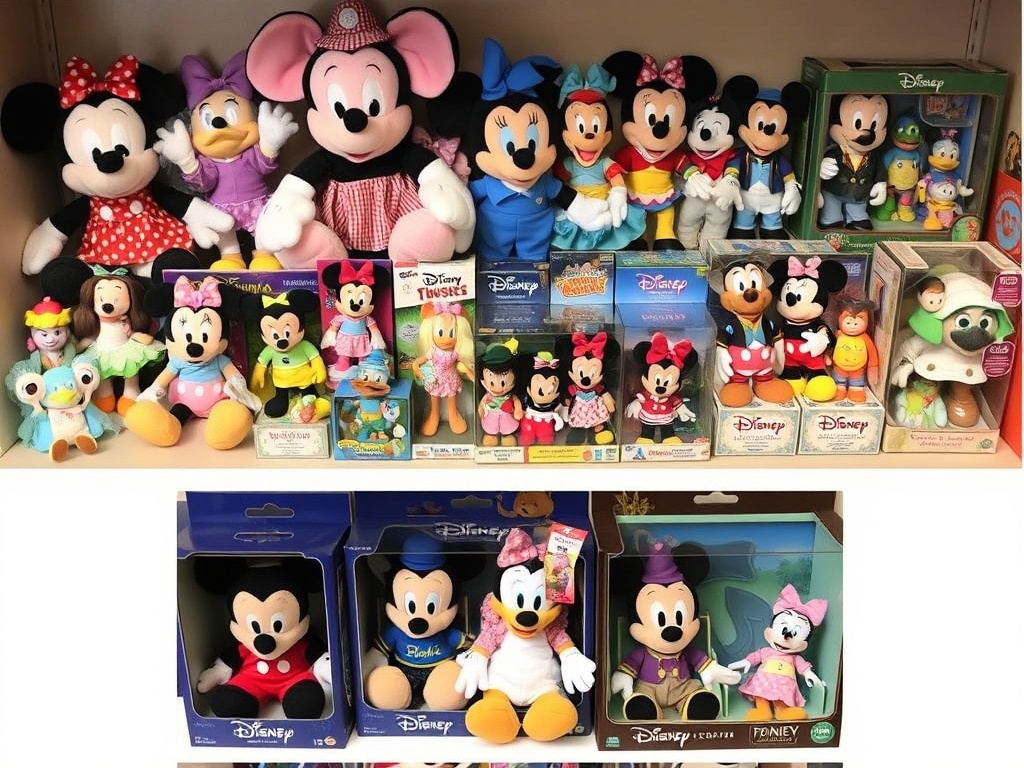
This isn’t limited to one type of Disney toy. It works across categories:
- Action figures: Look for mold and paint differences
- Plush toys: Tag variations and stitching details matter
- Limited editions: Certificate formats and numbering styles
- Vintage pieces: Material changes across production years
The principle stays the same: production context creates value.
The Mindset Shift
Stop asking: “What’s this worth right now?”
Start asking: “What makes this different?”
That one shift changes how you buy, how you browse, and how you build your collection.
You’ll pass on hype pieces everyone is chasing—and quietly pick up items that haven’t been recognized yet.
Common Mistakes to Avoid
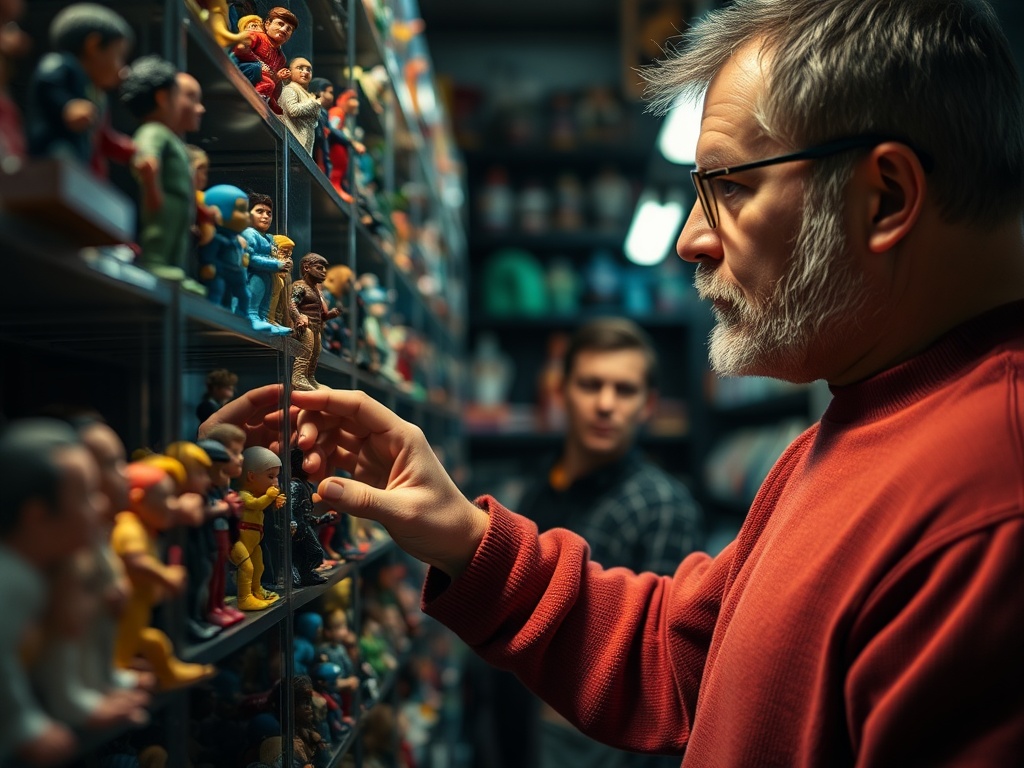
- Ignoring packaging: Many collectors focus only on the figure itself
- Assuming all versions are equal: Small differences can mean big value gaps
- Chasing trends: By the time something is trending, the opportunity is gone
- Overlooking condition: Even rare variants lose value if poorly kept
Final Thought
The best Disney collectors aren’t faster—they’re more observant.
If you take one thing from this, let it be this: value hides in the details everyone else skips.
Start looking there, and your collection will change—fast.