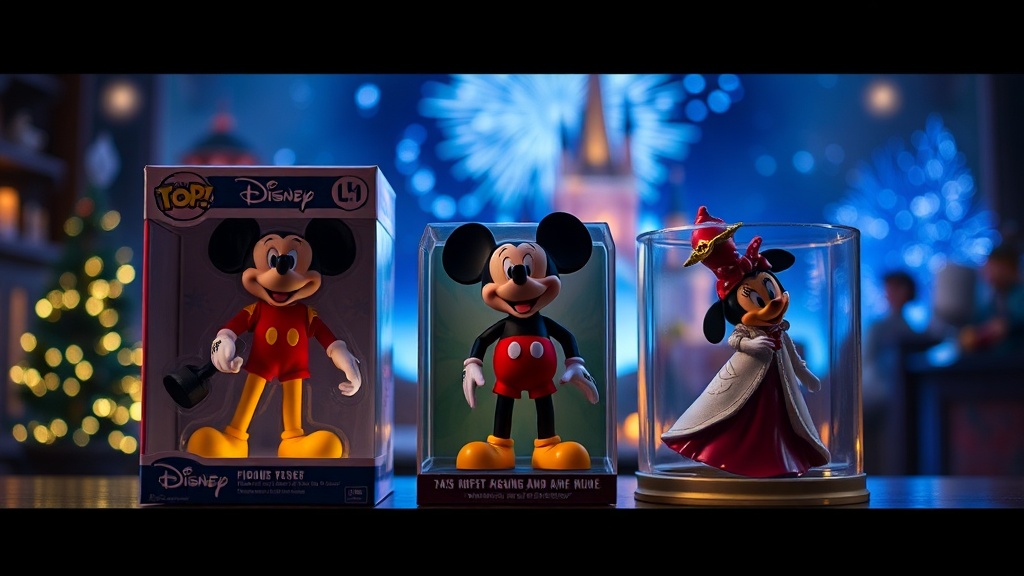
Why Do Disney Figure Boxes Lose Their Value?

The subtle shift in a collector's shelf: A cracked corner or a dented flap.
Imagine you finally tracked down that limited edition Disney figure you've wanted for years. You place it on your shelf, feeling the rush of a completed set. Two years later, you look closer—the cardboard corner is slightly crushed, the window film is peeling, or the hang-tab is bent. Suddenly, that piece feels less like a trophy and more like a liability. This happens because, in the high-end toy world, the packaging is often as important as the figure inside. If you're looking to maintain the resale value of your Disney collectibles, understanding the mechanics of box degradation is a vital part of the hobby.
The box isn't just a container; it's a part of the product. Whether you collect high-end Disney Store exclusives or mass-market Funko Pops, the integrity of the packaging dictates the grade of the item. A "Mint in Box" (MIB) designation carries a premium price tag, but a "Good" or "Fair" condition box can slash your potential return by 30% to 50%. Collectors aren't just buying a plastic figure; they are buying the experience of an untouched, factory-fresh item.
What causes damage to collectible toy packaging?
Damage usually falls into three categories: environmental factors, physical handling, and structural flaws. Environmental issues are often the most insidious because they happen silently. For instance, high humidity can cause the cardboard to soften and lose its structural rigidity (a phenomenon often seen in poorly ventilated display cases). Heat is another culprit; excessive warmth can cause the thin plastic windows to warp or even pull away from the adhesive, creating those unsightly gaps that ruin the "factory seal" look.
Then there is the physical aspect. Every time you move a box to reach a figure behind it, you risk a micro-trauma. A slight bump against a shelf edge might not seem like much, but over time, these small incidents add up to corner dings and edge wear. This is why many serious collectors prefer acrylic cases over standard cardboard-on-shelf methods. If you want to see how different materials react to environments, checking out the standards set by the Toy Industry Association can provide insights into how toys are handled globally.
The common culprits of box wear
How can you prevent box degradation?
Preventative measures are much easier than trying to fix a damaged box. First, prioritize your storage. If you aren't displaying the item, keep it in a cool, dry, and dark place. Avoid the "attic or garage" trap; the temperature swings in those areas are brutal on paper and plastic. A dedicated display case with UV-resistant acrylic is the gold standard for keeping your Disney figures looking pristine.
Second, be mindful of your touch. Even if you aren't a "box breaker," simply moving a box can cause friction. If you have a crowded shelf, use a way to lift the box straight up rather than sliding it forward. This prevents the bottom edge from catching on the shelf surface. If you're looking for detailed technical specs on toy preservation, the Library of Congress preservation guidelines offer great general-purpose advice on how to handle delicate paper and organic materials, which applies directly to high-end cardboard packaging.
Is a damaged box still worth a lot of money?
The short answer is: it depends on the collector. Some enthusiasts only care about the figure and will happily buy a "loose" item to save money. However, the "completionist" market—the group that drives the highest prices for rare Disney pieces—will almost always bypass a damaged box. If the box is crushed, the item is no longer considered "New in Box" (NIB). It becomes "New with Package Damage" (NWPD), and the value drops significantly.
You might find that a figure with a slightly scuffed corner still holds decent value, but once the clear window is cracked or the internal plastic insert is broken, the value takes a steep dive. This is because the internal structure is what keeps the figure from rattling and suffering impact damage during shipping. If the internal support is gone, the figure's safety is also compromised. Always check the interior of the box before deciding to display it or sell it.
A well-maintained collection is a testament to your care as a hobbyist. Whether you're holding a rare piece from a Disney park or a modern-day collectible, treating the packaging with the same respect as the figure itself ensures your collection remains a valuable asset rather than just a pile of aging cardboard. Keep your displays away from direct sunlight, monitor your humidity levels, and always handle your items with intention. Your future self—and your wallet—will thank you.