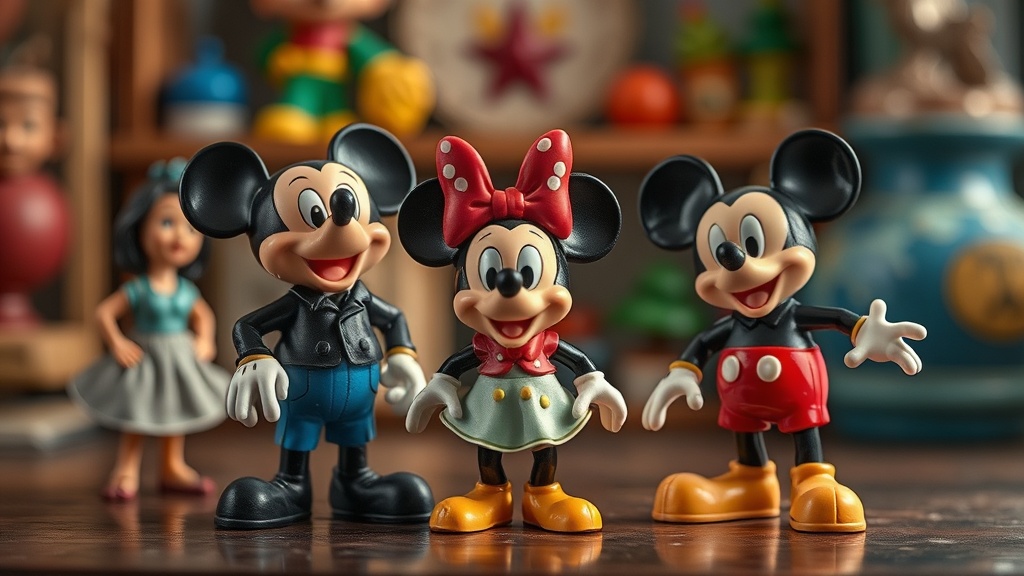
Removing Scuffs and Marks from Vintage Disney Figures

You just unboxed a vintage 1990s Disney Store figurine, only to find a dark scuff mark across Mickey’s cheek or a dull smudge on a limited edition porcelain piece. These marks often look permanent, but most surface-level scuffs can be addressed with the right gentle cleaning methods. This guide details how to identify different types of surface damage and the specific, safe techniques used to remove them without ruining the paint or the material. We’ll look at everything from soft plastic figures to more delicate ceramic items.
How Do I Remove Scuffs from Plastic Disney Figures?
To remove scuffs from plastic, you should start with a damp microfibers cloth and move toward much gentler methods like specialized plastic cleaners if the mark persists. Most vintage Disney figures, such as the classic Disney Store line or even certain Funko prototypes, are made of PVC or similar polymers. These materials are durable but can be easily scratched if you use anything too abrasive.
The biggest mistake collectors make is reaching for a heavy-duty scrubbing pad. That’s a one-way ticket to a ruined collectible. If a scuff is just a bit of surface grime, a simple wash works. If it's a literal scratch in the plastic, you're dealing with a different beast entirely.
Follow this hierarchy of cleaning for plastic items:
- The Mild Soap Method: Mix a drop of mild dish soap with lukewarm water. Use a soft cotton swab to dab the area. Never rub aggressively.
- The Magic Eraser (Use with Caution): A melamine sponge (often called a Magic Eraser) can lift scuffs, but it is actually a micro-abrasive. It works by sanding away the top layer of the material. Use this only on non-painted areas of a figure.
- Isopropyl Alcohol: This is for stubborn ink or permanent marker marks. Use a Q-tip soaked in 70% isopropyl alcohol. Test a tiny, inconspicuous spot on the foot or back of the figure first to ensure it doesn't melt the plastic or strip the paint.
If you’re working with much older, more brittle plastics, skip the chemicals. Older toys can react poorly to solvents. It's better to be too cautious than to end up with a melted-looking figure.
Can I Clean a Painted Ceramic Disney Figurine?
Cleaning painted ceramic requires a much lighter touch than plastic because the paint is often a thin layer sitting on top of a glazed surface. You should avoid all abrasive sponges or harsh chemicals that could strip the glaze or the pigment. Most collectors prefer using a soft-bristled brush or a damp cloth to prevent any permanent damage to the finish.
Ceramics and porcelain—like the high-end Disney collectibles found in specialty boutiques—are prone to "crazing" or paint chipping if handled roughly. If a scuff is actually a tiny chip in the paint, you can't "clean" it away. You’ll have to decide if you want to leave it or attempt a professional touch-up.
Here is a comparison of cleaning approaches based on material:
| Material Type | Best Tool | Avoid This | Risk Level |
|---|---|---|---|
| Hard Plastic (PVC) | Microfiber Cloth | Magic Eraser (on paint) | Low |
| Ceramic/Porcelain | Soft Paintbrush | Alcohol/Solvents | High |
| Vinyl (Vinylmation) | Mild Soap/Water | Heavy Scrubbing | Medium |
When dealing with ceramics, a dry, soft makeup brush is your best friend. It can flick away dust and light surface marks without applying pressure. If the mark is a stubborn smudge, a slightly damp cloth is the only way to go. Don't let the water sit in any crevices, or you might deal with moisture issues later. Keeping your display clean is part of a larger routine, similar to maintaining a dust-free collection.
What Is the Safest Way to Fix Permanent Marks?
The safest way to handle a permanent mark is to use a tiny amount of non-abrasive touch-up paint or a specialized hobbyist tool, but only after you've ruled out that it's just a surface stain. If a mark won't come off with soap and water, it's likely embedded in the material or is a scratch. At that point, you aren't "cleaning" anymore—you're performing a repair.
For many, a "perfect" figure isn't the goal; a "well-cared-for" figure is. Sometimes, a small scuff is just part of the item's history. If you're a high-end collector, you might want to seek professional help. If you're a casual collector, a tiny bit of acrylic paint (matching the color exactly) can sometimes mask a scuff. (Though, I'd suggest being very careful with this—one slip and you've changed the figure's look forever.)
Before you start any cleaning process, always perform a "spot test." This is the most important rule in the hobby. Take a tiny amount of your cleaning agent—whether it's soap, alcohol, or a specialized cleaner—and apply it to a part of the figure that isn't visible. A leg, a back corner, or the bottom of a base. Wait ten minutes. If the color changes or the texture feels gummy, stop immediately. You've just saved your figure from a permanent mistake.
It's also worth noting that many vintage Disney items were made with different standards than modern toys. A figure from the 1970s might have a much more sensitive finish than a modern Disney Store piece. Always treat the oldest items with the most respect. If you're unsure, don't touch it. It's better to have a slightly scuffed figure than a ruined one.
If you're worried about how to handle your items once they are clean, you might want to look into organizing your shelves to keep them out of direct sunlight, which can also cause discoloration over time.
Steps
- 1
Identify the Surface Material
- 2
Test with a Damp Microfiber Cloth
- 3
Use a Soft-Bristled Brush for Crevices
- 4
Dry Thoroughly with Air