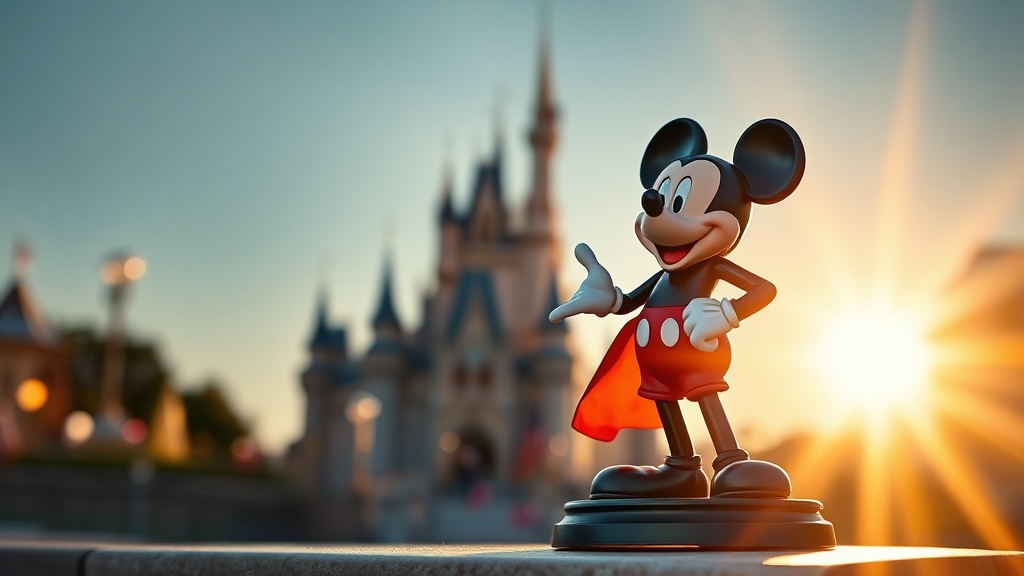
Protecting Your Disney Figures from Sunlight Damage

A single beam of direct sunlight hits a shelf, and within a few years, that vibrant red of a classic Mickey Mouse figure starts to turn a sickly, pale pink. The plastic becomes brittle, the paint chips away, and the once-sharp details of a Disney Store exclusive figure begin to fade into a dull, unrecognizable matte. This guide explains how UV radiation and heat damage your Disney collectibles and provides practical ways to prevent it.
Sunlight is the silent enemy of any serious collector. It doesn't just change the color; it fundamentally alters the chemistry of the materials. If you've ever noticed a figure looking "chalky" or felt the plastic becoming slightly tacky, you're already seeing the effects of light damage. We're going to look at how to spot these signs and how to keep your display looking as fresh as the day you unboxed it.
How Does Sunlight Damage Disney Figures?
Sunlight damages Disney figures through a process called photodegradation, which is the chemical breakdown caused by UV (ultraviolet) rays. Most high-end Disney collectibles, from vinyl toys to high-quality PVC figures, are sensitive to light. When UV rays hit the surface, they break the molecular bonds in the pigments and the plastic itself. This leads to discoloration, fading, and structural weakness.
It isn't just the light itself that's the problem; it's the heat that comes with it. A display case sitting in a sun-drenched corner of a room can act like a little oven. This heat can cause "plasticizer migration," where the chemicals that make the plastic flexible move to the surface, leaving a sticky residue. (It's a nightmare to clean, trust me.)
Different materials react in different ways:
- PVC (Polyvinyl Chloride): Often used in high-end Disney figure lines. It's prone to becoming brittle if exposed to high heat and UV.
- Vinyl: Common in designer toy culture. It can lose its luster and develop a "foggy" appearance over time.
- Acrylic/Lucite: Often used for display cases. While it protects from dust, it doesn't always stop UV rays unless it's specifically UV-rated.
If you're worried about the aesthetics of your display, you might want to check out my previous post on lighting your Disney figure display for maximum impact. Using the right light-emitting diodes (LEDs) is a great way to avoid the heat-related issues common with older bulb types.
What Are the Signs of UV Damage in a Collection?
You can identify UV damage by looking for specific physical changes in your figures' paint and texture. If you aren't looking closely, you might miss the early stages of degradation.
The most obvious sign is color shifting. If a deep navy blue cape on a Disney hero figure starts looking teal or grayish, that's a major red flag. Another sign is surface texture changes. If the figure looks dull or "chalky" instead of glossy, the UV rays have likely eaten away at the top coat. You might also see cracking or crazing, which are tiny, hair-like fractures in the plastic. This usually happens when the material has become too brittle from heat and light exposure.
Here is a quick checklist to help you audit your collection:
| Type of Damage | Visual Indicator | Likely Cause |
|---|---|---|
| Fading | Colors look lighter or "washed out" | Direct UV exposure |
| Yellowing | White or clear plastics turn yellowish | UV light + heat |
| Stickiness | Surface feels tacky or gummy | Plasticizer migration |
| Brittleness | Small parts snap easily | Long-term UV/Heat exposure |
I once had a limited edition figure that looked perfect for two years. Then, I moved it closer to a window for a "better look," and within six months, the vibrant gold paint had turned a dull mustard yellow. It was a heartbreaking mistake.
How Can I Protect My Figures from UV Rays?
The best way to protect your figures is to control the environment in which they are stored and displayed. You can't stop the sun from existing, but you can certainly block its path.
First, placement is everything. Never place your display cabinets or shelves directly in the path of a window. Even if the light isn't hitting the figure directly, the ambient light in a bright room can still cause gradual fading over several years. If you have a room with large windows, consider using UV-blocking window films or heavy curtains. These are relatively inexpensive and can make a massive difference in preserving your investment.
Second, upgrade your display cases. If you use acrylic cases to hold your figures, look for those that specify UV resistance. While most standard acrylic won't block all UV rays, it's a better barrier than an open shelf. For those who use glass-fronted cabinets, remember that standard glass offers very little protection against the wavelengths that cause fading.
Third, watch your temperature. A cool, stable environment is the goal. If your display area is near a heater or in an attic-style room that gets hot in the summer, your figures are at risk. Heat accelerates the chemical breakdown caused by light. If you're storing your "backstock" or extra figures in boxes, keep those boxes in a climate-controlled area—not a garage or a basement that might get damp or hot.
Pro-Tips for Display Safety:
- Use LED Lighting: Unlike incandescent or halogen bulbs, LEDs produce very little heat and minimal UV radiation. This is a huge win for collectors.
- Rotate Your Collection: If you have a large collection, don't keep every single piece on display at once. Rotating pieces in and out of storage can minimize the time any single item spends in the light.
- Avoid "Sun-Trap" Furniture: Avoid placing your shelves in dark wood cabinets that absorb and hold heat, which can create a micro-climate of warmth around your figures.
It's worth noting that even "indoor" light can cause issues. While sunlight is the primary culprit, fluorescent lights and even some high-intensity LED setups can emit small amounts of UV. It's rarely a problem for a few weeks, but for a collection meant to last decades, it's a factor to consider.
If you're worried about the general upkeep of your display, you'll probably want to read my guide on how to dust-proof your Disney figurine collection. Dust can actually act as a magnifying glass for light, focusing the rays and causing localized heat spots on your figures' surfaces.
A lot of collectors think that as long as the figure isn't "in the sun," it's safe. That isn't quite right. The cumulative effect of light exposure is what matters. A figure sitting in a bright, well-lit room will degrade faster than one in a dim, cozy corner. It's a slow-motion process, which is why it's so easy to ignore until the damage is already done.
If you find yourself dealing with a figure that has already become a bit tacky or sticky, don't panic. Sometimes, a gentle cleaning can help, but be careful. If the issue is deep within the plastic, you might be looking at permanent structural changes. For minor surface marks or scuffs, you might try removing scuffs and marks from vintage Disney figures using much more cautious methods.
Ultimately, your collection is a reflection of your passion. Taking the time to manage your light and heat exposure isn't just about preservation; it's about ensuring that the joy you feel when unboxing a new piece stays consistent for years to come. Keep them cool, keep them shaded, and they'll stay vibrant.